Memory and freedom shape ...from the series Reminiscences, an exhibition marking the 45th anniversary of the Wujek mine pacification.
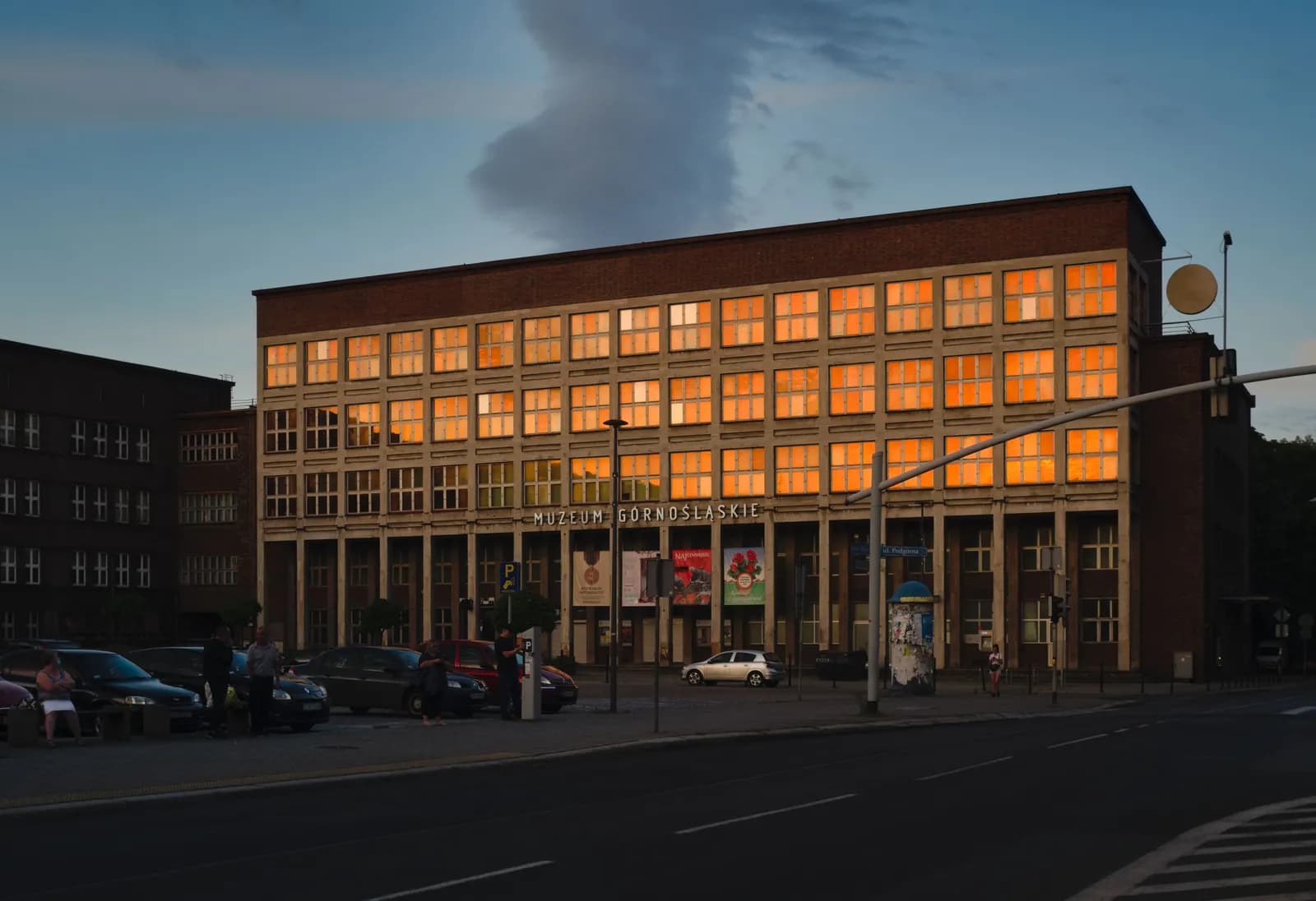
The Upper Silesian Museum in Bytom presents "...from the series Reminiscences. On the 45th Anniversary of the Pacification of the Wujek Mine", a temporary exhibition examining one of the defining moments of modern Polish history through the lens of contemporary art. Running from 11 December 2026 to 14 March 2027, the exhibition explores the enduring relationship between memory, freedom and artistic expression.
Organised in cooperation with the Silesian Centre for Freedom and Solidarity in Katowice, the exhibition continues the museum's long-running programme dedicated to artists associated with Poland's independent cultural movement of the 1980s.
Art as a Testament to Memory
At the heart of the exhibition are the sketchbooks of Professor Stanisław Rodziński, whose deeply personal drawings and reflections respond to the events surrounding the pacification of the Wujek mine. These intimate works form the foundation of a wider exhibition that brings together paintings, drawings, documents and artefacts exploring the importance of remembrance.
Rather than focusing solely on historical events, the exhibition considers how art preserves individual experiences while encouraging reflection on universal values such as freedom, dignity and responsibility. The curatorial concept argues that memory remains essential to protecting those values for future generations.
Artists Reflecting on Freedom
Alongside Rodziński's sketchbooks, visitors will encounter works by leading Polish artists including Tadeusz Boruta, Jacek Sienicki, Aldona Mickiewicz, Anna Mizeracka, Barbara Jonscher, Zbigniew Bajek, Zofia Broniek, Teresa Rudowicz, Zbylut Grzywacz, Grzegorz Bednarski, Jacek Sroka and Krzysztof Grzondziel.
The exhibition also includes contributions by Alina Borowczak-Grzybowska and Professor Andrzej Grzybowski, creators of the monument commemorating the miners who lost their lives during the pacification of the Wujek mine. Their participation reinforces the exhibition's broader reflection on how societies preserve collective memory through both public monuments and works of art.
Remembering One of Poland's Defining Events
The pacification of the Wujek coal mine in December 1981 remains one of the most tragic episodes of Poland's communist era. By combining artistic works with historical artefacts, archival material and film, the exhibition encourages visitors to consider not only the historical significance of those events but also their continuing relevance today.
A specially produced documentary accompanies the exhibition, featuring artists, art historians, witnesses to the pacification and individuals involved in Poland's anti-communist opposition. Together with a richly illustrated publication prepared for the project, these elements provide additional historical and cultural context.
Accompanying Events
The exhibition will be complemented by a programme of public events running throughout its duration.
Highlights include:
10 December 2026 – Exhibition opening and premiere of the accompanying documentary film
13 December 2026 – First curatorial tour
January 2027 – Curatorial tour, publication meeting and lecture on the poetry of Barbara Sadowska
February 2027 – Curatorial tour and discussion on underground artistic life in the 1980s
14 March 2027 – Exhibition closes
Visitor Information
Exhibition: "...from the series Reminiscences. On the 45th Anniversary of the Pacification of the Wujek Mine"
Venue: Upper Silesian Museum, Bytom
Dates: 11 December 2026 – 14 March 2027
Opening Hours
Monday: Closed
Tuesday: 10:00 am – 3:30 pm
Wednesday: 12:00 pm – 5:30 pm
Thursday: 12:00 pm – 5:30 pm
Friday: 10:00 am – 3:30 pm
Saturday: 12:00 pm – 4:00 pm
Sunday: 12:00 pm – 5:00 pm
Admission Temporary exhibitions:
Regular: 10 PLN
Reduced: 5 PLN
Family / Large Family Card: 20 PLN (3 or more people)
Euro26 Card: 5 PLN
Group ticket (10+ people): 5 PLN per person
Teachers and guardians accompanying school groups: Free
Combining powerful artworks with personal testimonies and historical material, the exhibition offers visitors an opportunity to reflect on one of Poland's most significant post-war events through the perspectives of artists who experienced its wider social and cultural impact. More than four decades after the tragedy, it demonstrates how art continues to preserve memory and encourage dialogue across generations.